Finley Jenkins · 2 November 2026
Ledgeview's Volunteer Networks Coordinate Disaster Response Drills as Storm Patterns Shift Regional Priorities
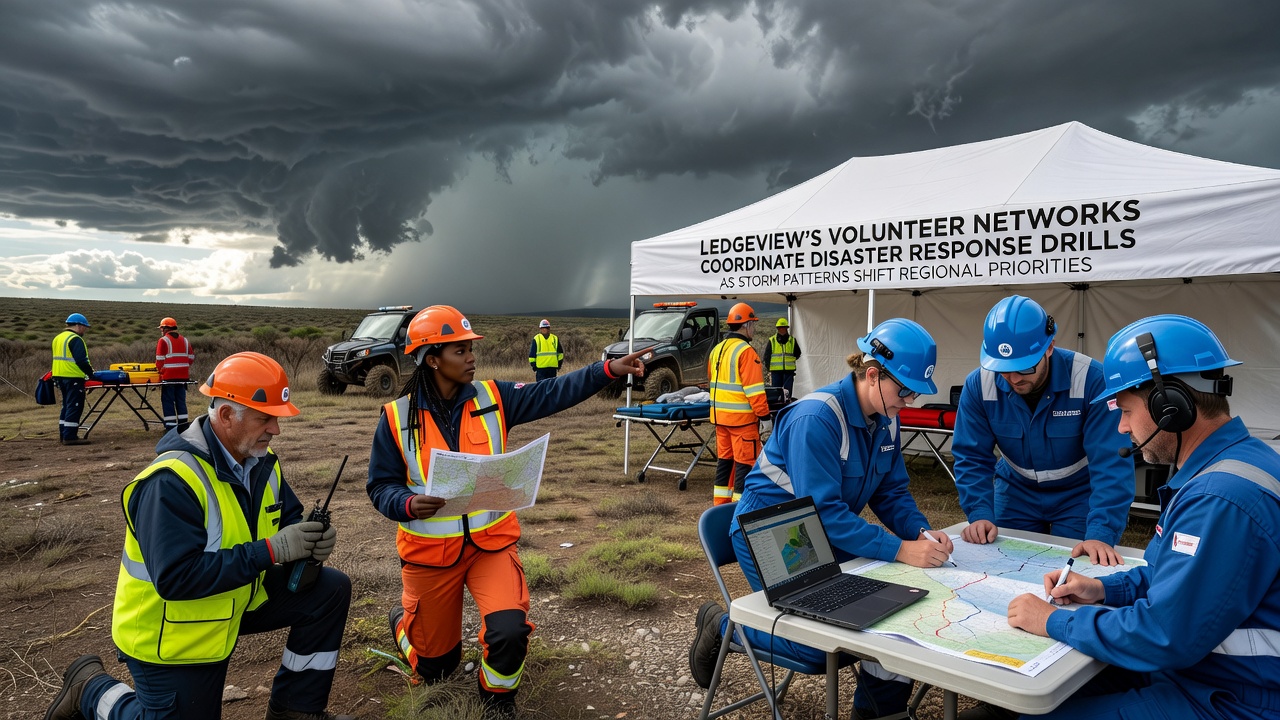
Volunteer networks across Ledgeview have ramped up coordination of disaster response drills while storm patterns continue to alter regional priorities in measurable ways. Data from multiple agencies shows shifts in storm frequency and intensity that affect planning cycles, and local groups now align their exercises with updated forecasts that project changes through late 2026. These efforts bring together community organizations, emergency services, and residents who rehearse evacuation routes, supply distribution, and communication protocols under varying scenarios.
Changing Storm Patterns and Regional Adjustments
Records compiled by the National Oceanic and Atmospheric Administration indicate that certain storm systems have exhibited altered tracks and durations in recent years, prompting municipalities to revise their hazard assessments. Ledgeview officials reference these trends when scheduling drills, and they incorporate projections that extend into November 2026 when seasonal risks may peak again. Regional bodies have reallocated resources toward flood mitigation and wind-resistant infrastructure, while volunteer coordinators adjust training modules to match the new emphasis on rapid shelter setup and multi-agency liaison work.
Observers note that communities once focused primarily on winter preparedness now dedicate comparable time to summer and fall events because data reveals extended periods of elevated moisture and wind shear. This rebalancing shows up in drill calendars that interleave tabletop simulations with full-scale field exercises, allowing teams to test equipment and decision trees under conditions that mirror the observed pattern shifts.
Volunteer Networks and Their Expanding Role
Local volunteer networks operate through established partnerships that link neighborhood associations with county emergency management offices. These groups maintain rosters of trained responders who practice command structure handoffs and resource tracking during monthly sessions. In Ledgeview the networks have grown their membership by integrating high school civics programs and corporate volunteer days, which supply additional personnel for logistics and public information tasks.
Training materials now include modules on climate-adjusted risk mapping supplied by academic partners, and participants run scenarios that factor in both immediate hazards and secondary effects such as power outages lasting several days. The networks track participation metrics and after-action reports to refine procedures before the next cycle begins.
Drill Coordination and November 2026 Planning
Coordinators have set a series of large-scale drills for November 2026 that will test integration across fire, police, medical, and volunteer units. These exercises will simulate simultaneous storm impacts at multiple sites, requiring real-time reallocation of personnel and supplies. Early registration numbers show strong turnout from both longtime members and newer recruits who joined after recent community outreach events.
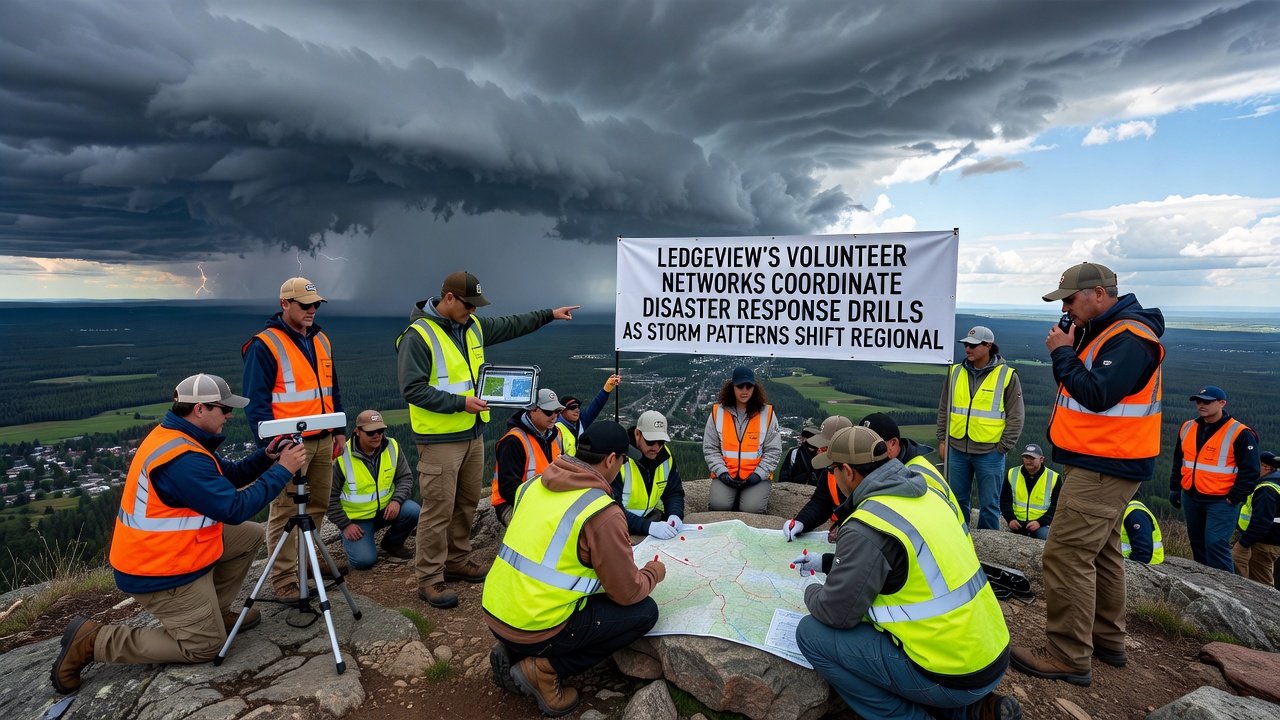
Planners have incorporated feedback from prior drills that highlighted gaps in cross-border communication with neighboring jurisdictions. Updated protocols now specify shared radio frequencies and joint mapping platforms, and test runs scheduled for the coming months will verify that these tools function under load. The November 2026 timeline allows time for equipment upgrades and additional certification courses that several agencies require before full participation.
Integration with Broader Regional Priorities
Regional planning documents place disaster readiness alongside infrastructure upgrades and public health initiatives, creating overlapping workstreams that volunteer networks help sustain. Funding streams from state and federal sources support joint projects that combine storm-water management with community training centers, and these facilities double as drill venues when not in regular use. Data shared through inter-municipal agreements shows that coordinated drills reduce response times in simulated events, which in turn supports budget justifications for continued investment.
Participants from adjacent counties sometimes join Ledgeview exercises to practice mutual-aid agreements, and those sessions reveal logistical details that single-jurisdiction drills overlook. The resulting adjustments feed into annual updates that regional councils review each spring.
Conclusion
Ledgeview volunteer networks continue to align their drill schedules with evolving storm data and shifting regional priorities, maintaining a steady rhythm of preparation that extends through the November 2026 exercises. These activities rest on documented trends and established partnerships that connect local responders with broader information networks. The approach keeps response capabilities current without requiring new mandates, and ongoing participation metrics provide the feedback loop that sustains the system.